August 16, 2026
The foundation of a building is its most critical structural element, supporting everything above it and transferring loads safely to the ground. According to Krapf Legal, 98% of basements in the U.S. have experienced water damage. Foundation repair is essential in ensuring that the building remains stable and durable over time. Without proper maintenance, foundation issues can substantially compromise the integrity of a structure, leading to potential safety hazards and costly damages. Investing in foundation repair is investing in the longevity of your property, preserving its value for years to come. This guide explores the various aspects of foundation repair, from understanding common issues to selecting appropriate solutions, ensuring your structure remains robust and secure.
Choosing the Right Repair Method
Assessing Soil Conditions
Soil conditions are a pivotal factor in choosing the appropriate foundation repair method. Understanding the type of soil and its properties around a structure is critical for selecting a compatible repair strategy. Expansive soils demand techniques that accommodate swelling and shrinkage, while sandy soils might require support methods that offer stability. Professional assessment of soil conditions can yield insights into potential vulnerabilities, aiding in a cost-effective and durable repair approach. Tailoring repairs to specific soil dynamics prevents unnecessary expenditures and prolongs foundation integrity.
Evaluating Structural Integrity
Evaluating the structural integrity of a building is essential before selecting a foundation repair method. Through a comprehensive assessment, specialists determine the intensity and extent of the damage, influencing the most suitable course of action. A detailed evaluation encompasses inspections of load-bearing elements, alignment, and any observable signs of wear or distress. An accurate understanding of the structural state informs whether minor repairs or extensive underpinning is necessary. Precision in this evaluation ensures repairs enhance structural resilience and longevity.
Considering Cost and Durability
Cost and durability are key considerations when choosing a foundation repair method. Initial costs should be weighed against the long-term benefits and the prospective lifespan of the repair solutions. While cheaper methods may offer short-term relief, they might entail frequent upkeep or future failures. Investing in durable materials and reliable techniques can reduce the likelihood of recurrent issues, saving costs over time. Weighing immediate budgetary constraints against potential long-term savings aids in making informed restorative decisions.
Consulting with Experts
Consulting with foundation repair experts is vital to achieving an informed decision-making process. Experts can provide insights and recommendations suited to specific structural challenges based on their knowledge and experience. They offer a detailed analysis of available repair methods, their suitability, and cost implications. By engaging professionals, building owners obtain a holistic view of their situation, enabling them to select a repair strategy tailored to their needs. Professional advice mitigates the risk of inadequate repairs and enhances structural reliability.
Comparing Different Materials
The choice of materials greatly impacts the success and longevity of foundation repairs. Factors such as weather resistance, load-bearing capacity, and compatibility with existing structures must be considered. Comparing different materials used in repairs, like concrete, steel, and polymer resins, can highlight their respective advantages and drawbacks. The right material choice ensures that repairs not only address current issues but also withstand future pressures and environmental conditions. Comprehensive assessments help in identifying materials that balance performance with cost-efficiency.
DIY Foundation Repair Tips
Essential Tools and Materials
Successful DIY foundation repair starts with having the right tools and materials at hand. Basic tools include levelers, hydraulic jacks, and concrete repair kits, among others, suitable for minor crack repairs and surface leveling. Including safety gear such as gloves, goggles, and protective clothing is crucial to ensure personal safety throughout the repair process. Proper selection and preparedness with these essential tools empower individuals to efficiently tackle smaller-scale foundation issues. This not only saves on professional costs but also equips homeowners with foundational repair knowledge.
Step-by-Step Repair Guide
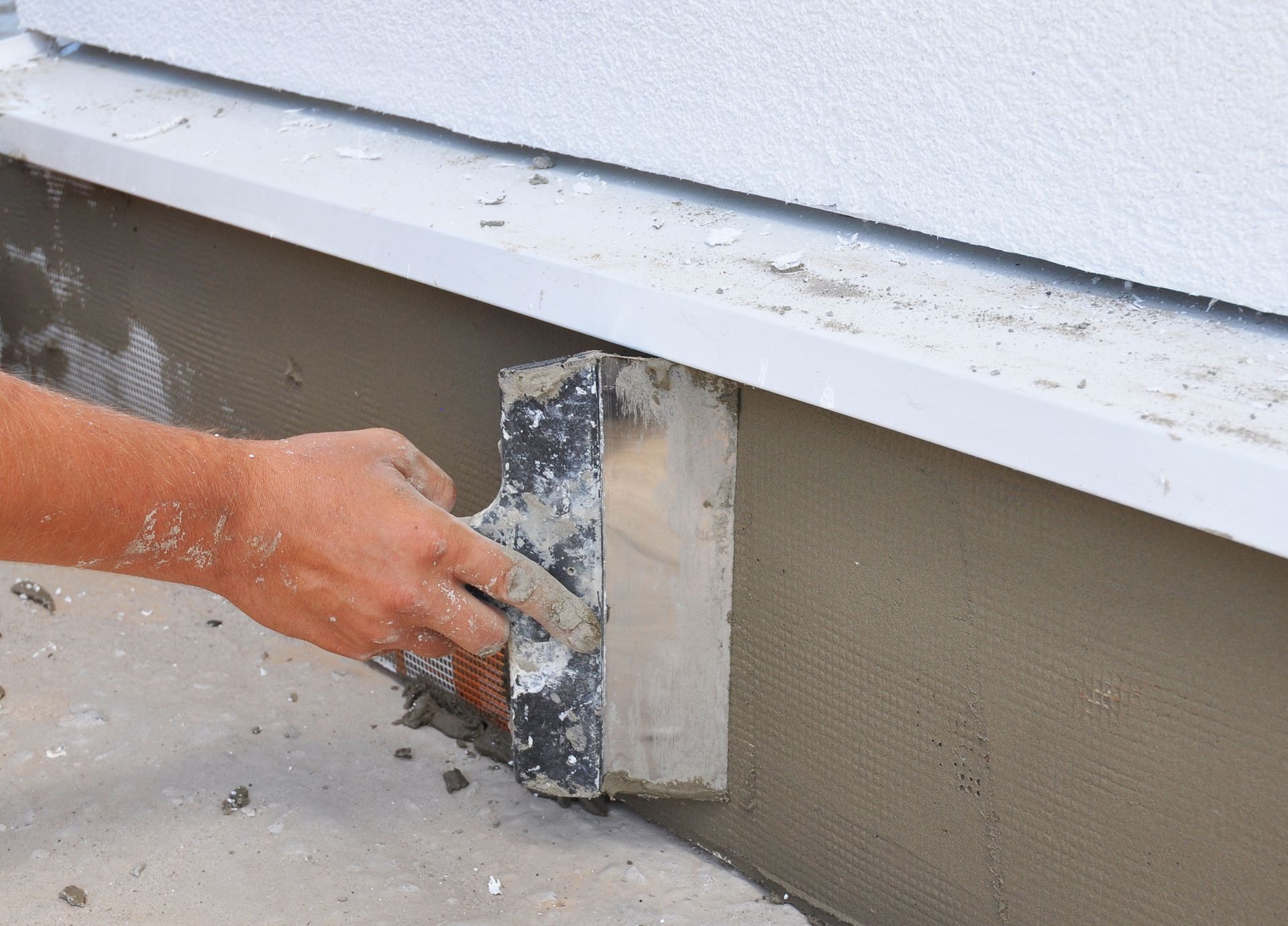
Undertaking a DIY foundation repair involves a systematic step-by-step approach to ensure effectiveness and safety. The process typically begins with a thorough inspection to identify specific issues like minor cracks or uneven surfaces. Preparing and cleaning affected areas is crucial before applying any repair solutions, ensuring optimal material adherence. Employing safe lifting techniques and using appropriate reinforcing materials, such as crack fillers, provides lasting improvements. A stepwise execution prevents hasty errors, producing more reliable repair outcomes.
Safety Precautions and Best Practices
Safety should always be a priority when attempting DIY foundation repairs. Adhering to best practices minimizes risk and enhances repair efficacy. For instance, ensuring proper ventilation during material application prevents inhalation of harmful fumes. Additionally, maintaining a tidy workspace reduces accident odds, keeping tools and materials organized yet within easy reach. Understanding weight limits and structural tolerance is also necessary to avoid exacerbating existing damage. Regularly pausing for safety checks fosters a safer and more productive repair environment.
Common Mistakes to Avoid
Avoiding common mistakes is crucial in achieving successful DIY repairs. One of the most significant errors is underestimating the extent of a problem, leading to insufficient or inappropriate repairs. Rushing through the repair process can also result in poor-quality outcomes, requiring additional intervention later on. Another frequent mistake is neglecting to check for underlying issues that affect the overall structure, such as plumbing leaks. Being mindful of these pitfalls and taking a meticulous approach fosters better repair outcomes and long-term satisfaction.
Hiring Professional Foundation Repair Services
Finding Reliable Contractors
Locating reliable contractors for foundation repair involves careful evaluation of potential service providers. Online reviews, referrals from trusted sources, and professional organizations are valuable assets in identifying reputable contractors. Ensuring contractors have valid licenses and qualifications relevant to foundation repair is paramount. Conducting thorough background checks and requesting client testimonials can provide insights into the caliber of their work. Building a list of vetted contractors simplifies decision-making in an emergency requiring proficient intervention.
Understanding Estimates and Contracts
A thorough understanding of estimates and contracts is essential when hiring professional services for foundation repairs. Prospective clients should seek detailed estimates that outline costs for labor, materials, and additional fees to avoid unexpected expenses. It's vital to scrutinize contract terms, ensuring expectations and responsibilities are clearly defined. Engaging in open dialogue with contractors helps address any uncertainties or concerns before formalizing agreements. A clear and transparent contract fosters confidence and alignment between both parties.
Questions to Ask Potential Contractors
Asking the right questions during initial consultations can reveal essential information about a contractor's capabilities and methods. Questions should address the contractor's experience, repairs previously handled, and specific techniques they recommend for one's situation. Querying about timelines, warranties on work completed, and strategies for mitigating future issues is equally important. Understanding their contingency plans for unforeseen complications highlights their readiness and adaptability. These inquiries arm clients with crucial insights to influence their hiring decisions effectively.
Verifying Credentials and Track Records
Before finalizing contractor selection, verifying credentials and assessing track records are prudent steps. Licenses, certifications, and memberships in professional associations underscore their competency in undertaking foundation repair tasks. Regularly reviewing completed projects and client feedback delivers accurate insights into their performance reliability. Contractors with proven consistent track records likely possess the experience and knowledge to handle diverse repair challenges. This thorough vetting ensures that chosen contractors possess the expertise necessary for successful repair outcomes.
Cost Considerations and Budgeting
Cost considerations for foundation repairs involve balancing affordability with quality and durability. Understanding the range in prices for various repair types allows clients to budget effectively while anticipating potential expenses. Financing options and payment plans offered by contractors can ease immediate financial burdens, facilitating timely repairs. Balancing competitive pricing with contractor experience and the guarantees provided can ensure investment in lasting solutions. Thoughtful budgeting safeguards against financial strain while supporting the integrity of one's property.
The significance of foundation repair in maintaining structural health and longevity cannot be overstated. By understanding the causes and early signs of foundation problems, property owners can make informed decisions and take timely actions to protect their investments. Selecting the appropriate repair methods, whether through DIY efforts or professional services, ensures that foundations are restored adequately and remain dependable over time. Long-term stability also requires continuous awareness and proactive measures, such as regular inspections and preventative maintenance. Through these concerted efforts, structures are better equipped to withstand environmental challenges and retain their comfort and safety over the years. Reach out to ShoreView Masonry - Basement & Foundation Repair Specialist today to see how we can help you!